
Blog
Health
Home Care vs Home Health Care: What’s the Difference and Which Does Your Family Need

When a loved one needs help at home, families may consider different types of support based on their daily activities, recovery needs, or health conditions. Home care and home health care are two common options, but they are designed to address different needs and involve different types of services and professionals. Understanding how these forms…
Read MoreWhat Home Care Is, How It’s Regulated, and Why Families Choose It

It is obvious that due to demanding jobs, busy schedules, and everyday responsibilities, many adults simply don’t have the time in a day to be present for an aging parent the way they’d like to. This is not a failure on anyone’s part; it’s just the reality of modern life. Hence, this is where home…
Read MoreHome Care Services in Los Angeles & Ventura County: Types of Care, Conditions Supported, Costs, and Choosing a Licensed Provider

Los Angeles’s 65-and-older population is projected to grow from 1.44 million to 2.32 million by 2040, while nearly a fifth of Ventura County residents are already seniors. So, behind these numbers are families watching their loved ones age and noticing that managing their everyday tasks like bathing, cooking, or moving safely around the house has…
Read MoreUnderstanding Movement Disorder Emergencies: Signs, Symptoms, and Solutions
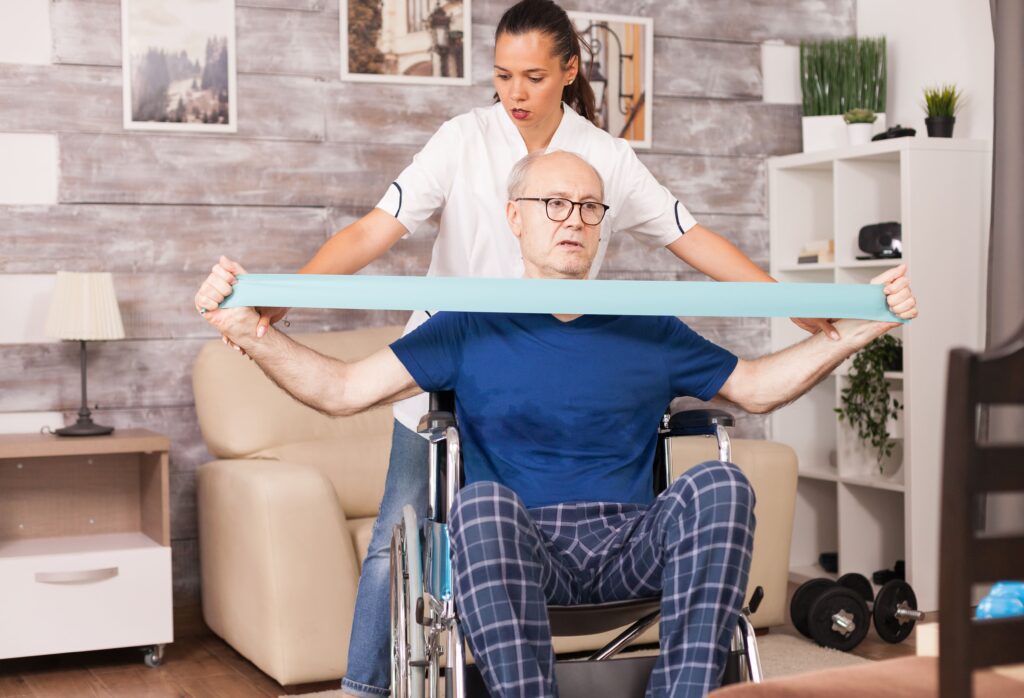
Have you ever noticed unexplainable tremors, difficulty while moving your body, or muscle stiffness? These symptoms may seem normal at first but they might be signaling a suppressed health issue like movement disorder. Normally, the brain orchestrates smooth, coordinated movements, but movement disorders disrupt its control over voluntary and involuntary actions. These symptoms can…
Read MoreWhy Is Communication Important In Elderly Care?
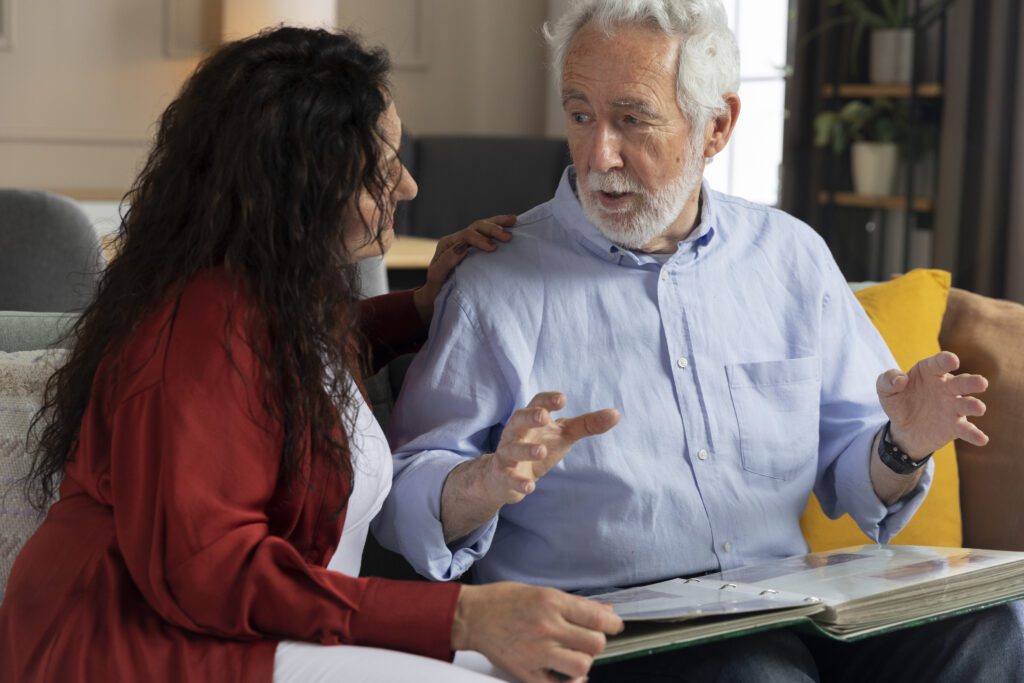
Did you know that poor communication in elderly care can lead to serious consequences, such as missed diagnoses, incorrect medications, or unmet emotional needs? A study published in BMC Geriatrics reveals that communication barriers often result in negative health outcomes, and these challenges are common in elderly care. For many seniors, issues like hearing loss,…
Read MoreHow Companion Care Can Increase Your Loved One’s Life
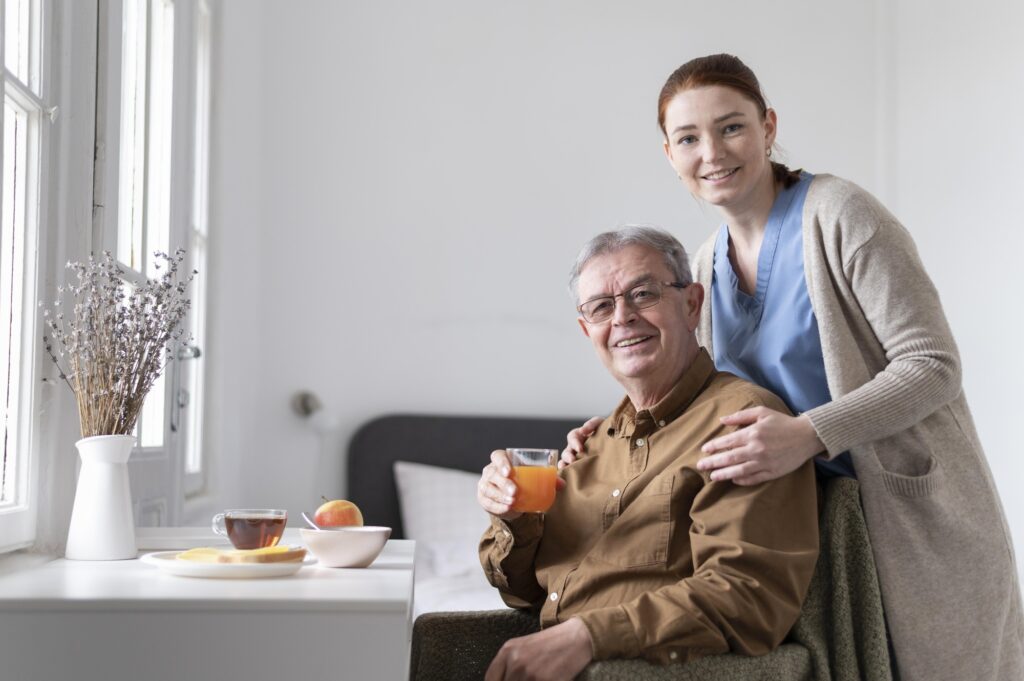
As our loved ones age, the challenges of maintaining independence, mental well-being, and a rich social life increase, which makes everyday tasks and social interaction more difficult. Even seniors who live alone often feel isolated, and according to a report in CNN Health, isolation leads to a 32% higher risk of early death as compared…
Read MoreTransitioning from Hospital to Home: The Role of Short-Term Senior Home Care
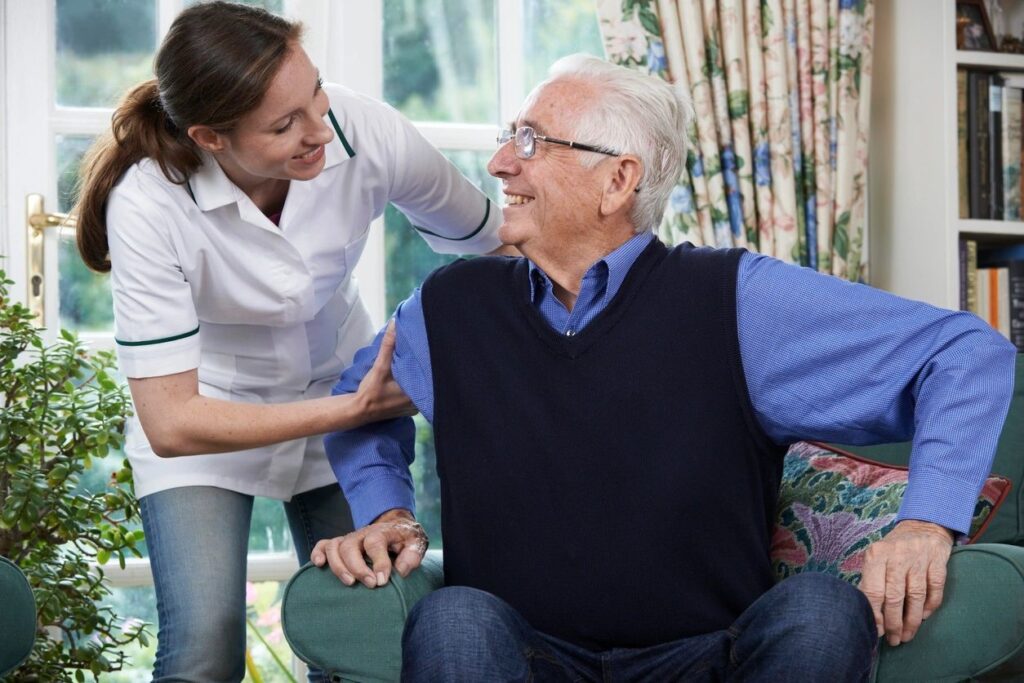
After undergoing treatment for an injury or illness in a medical facility, transitioning back home can be a challenging process, especially for older adults. This period usually requires extra care and supervision to manage complex medication regimens and various health-related aspects that can overwhelm family members. Relying on short-term home care can support an…
Read MoreUnderstanding Parkinson’s Disease: Why Home Health Care Matters
Parkinson’s disease is a neurological disorder that affects millions worldwide, bringing physical and emotional challenges to both patients and their families. Understanding and handling its symptoms is not easy for busy family members as it requires ongoing support and specialized care. This is where home health care becomes essential. By offering personalized assistance, caregivers can…
Read MoreKidney Disease Care: Essential Tips for Home Management
Did you know that kidney disease is the fastest-growing noncommunicable disease in the United States? It impacts approximately 37 million Americans, about 15% of the adult population, according to the American Kidney Fund. With the rise of kidney disease, many families are turning to home care to manage their loved one’s health. Why home care?…
Read MoreStroke Care Essentials: How to Support Recovery at Home
Stroke recovery is a challenging time for both survivors and caregivers as it can cause multiple physical, mental, and emotional complications due to brain damage. Nearly one in three stroke survivors experience depression along with anxiety, apathy, and frustration, which can seriously slow the recovery process and make daily life more difficult to manage. However,…
Read More