


When our loved ones enter palliative care due to accidents, trauma, or serious illnesses like cancer, heart failure, neurological damage, or any other reason, life can quickly become a joyless experience for them. The physical pain and psychological toll of such conditions often strip away the liveliness of a person, leaving patients feeling isolated and…
Read More
When health challenges arise, don’t panic or feel lost-take a step back, assess your situation honestly, and choose the right caregiver support. Caregiver agencies offer a wide range of services, but your choice largely depends on one key factor: Is the disease curable or not? This is where the terminologies palliative care vs curative care…
Read More
Have you ever noticed unexplainable tremors, difficulty while moving your body, or muscle stiffness? These symptoms may seem normal at first but they might be signaling a suppressed health issue like movement disorder. Normally, the brain orchestrates smooth, coordinated movements, but movement disorders disrupt its control over voluntary and involuntary actions. These symptoms can…
Read More
Did you know that poor communication in elderly care can lead to serious consequences, such as missed diagnoses, incorrect medications, or unmet emotional needs? A study published in BMC Geriatrics reveals that communication barriers often result in negative health outcomes, and these challenges are common in elderly care. For many seniors, issues like hearing loss,…
Read More
As our loved ones age, the challenges of maintaining independence, mental well-being, and a rich social life increase, which makes everyday tasks and social interaction more difficult. Even seniors who live alone often feel isolated, and according to a report in CNN Health, isolation leads to a 32% higher risk of early death as compared…
Read More
After undergoing treatment for an injury or illness in a medical facility, transitioning back home can be a challenging process, especially for older adults. This period usually requires extra care and supervision to manage complex medication regimens and various health-related aspects that can overwhelm family members. Relying on short-term home care can support an…
Read More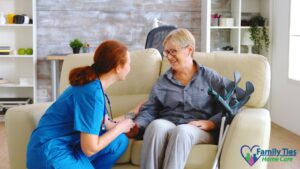
Parkinson’s disease is a neurological disorder that affects millions worldwide, bringing physical and emotional challenges to both patients and their families. Understanding and handling its symptoms is not easy for busy family members as it requires ongoing support and specialized care. This is where home health care becomes essential. By offering personalized assistance, caregivers can…
Read More
Did you know that kidney disease is the fastest-growing noncommunicable disease in the United States? It impacts approximately 37 million Americans, about 15% of the adult population, according to the American Kidney Fund. With the rise of kidney disease, many families are turning to home care to manage their loved one’s health. Why home care?…
Read More
Stroke recovery is a challenging time for both survivors and caregivers as it can cause multiple physical, mental, and emotional complications due to brain damage. Nearly one in three stroke survivors experience depression along with anxiety, apathy, and frustration, which can seriously slow the recovery process and make daily life more difficult to manage. However,…
Read More
Caring for a loved one with dementia or Alzheimer’s is a deeply personal and often overwhelming journey. With an estimated 6.9 million Americans over the age of 65 living with Alzheimer’s today – a number projected to double by 2060 – finding the right care solution is more critical than ever. While facility-based care may…
Read More