
Why Is Communication Important In Elderly Care?
Did you know that poor communication in elderly care can lead to serious consequences, such as missed diagnoses, incorrect medications, or unmet emotional needs? A study published in BMC Geriatrics reveals that communication barriers often result in negative health outcomes, and these challenges are common in elderly care. For many seniors, issues like hearing loss, memory decline, or loneliness are common, which makes clear communication essential. Effective communication also supports elderly health monitoring by helping caregivers recognize changes in symptoms, behavior, or emotional well-being. However, caregivers and healthcare providers often struggle to connect with elderly patients. Why? Time constraints, lack of training, or insufficient awareness are some of the reasons that can leave seniors feeling ignored or misunderstood.
How can we overcome these issues? Well, in this blog, we’ll explore why communication is necessary for elderly care, the problems caused by poor communication, and practical steps you can take to improve it for better care and understanding.
Communication in Elderly Care: OverviewEffective communication helps caregivers understand seniors’ physical, emotional, and personal needs while supporting trust, dignity, independence, and meaningful relationships. Clear conversations can encourage health-related discussions, strengthen social connections, and involve older adults in care decisions. Practical approaches include active listening, simple language, appropriate non-verbal cues, visual aids, positive reinforcement, offering choices, social interaction, and adapting communication to individual limitations. Creative activities, including music and storytelling, can also encourage engagement and connection. |
Why You Should Communicate With Elders?
Understanding Their Health and Well-being
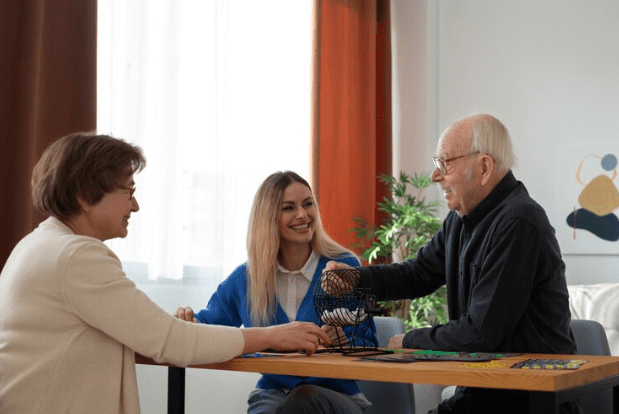
Communication with the elderly is key to understanding the physical and emotional needs of elderly individuals. By talking to them regularly, caregivers can detect changes in their health, such as signs of illness, pain, or emotional distress. This makes communication an important part of elderly health monitoring, as regular conversations can help caregivers notice changes that may otherwise go unnoticed. The National Institute on Aging also emphasizes that effective communication can strengthen relationships between older adults and care providers and support better care management.
Promoting Mental Stimulation
Simple conversations or storytelling exercises can stimulate their brain, improve memory, and maintain cognitive function, which is crucial for senior health care. When you discuss topics like current events and past experiences or ask for their opinions, it allows seniors to think, recall memories, and feel engaged in meaningful interactions. Maintaining social connections is also important because the CDC notes that social isolation and loneliness can affect older adults’ health and well-being.
Strengthening Relationships
When you listen to them and share your own experiences, you deepen trust and mutual respect. This bond makes seniors feel loved and supported, which can positively contribute towards senior emotional health. Having strong relationships also helps reduce feelings of loneliness and depression.
Promoting Better Care Decisions
Regular communication builds trust and understanding between caregivers and seniors. By encouraging the elderly to share their thoughts, caregivers gain insight into their preferences, concerns, and unique needs. This helps seniors feel involved in important decisions about their care, such as daily routines, dietary preferences, or treatment options. The CDC also highlights that older adults have individual needs and preferences when making health decisions, making clear and appropriate communication an important part of supporting informed choices.
Communication also plays a crucial role in managing medications. When caregivers talk with seniors about their health, they can ask questions about how they feel after taking medications or if they’re experiencing any side effects. This ongoing discussion allows caregivers to adjust dosages when necessary (under a doctor’s advice), identify harmful interactions between medications, and ensure treatments are effective. By keeping communication open, caregivers can prevent mistakes and ensure the elderly get the best possible care.
|
Discover compassionate, customized home care designed around your loved one’s needs, preferences, comfort, and daily routine with Family Ties Home Care! |
Implementing Effective Communication Techniques For Better Care
By adopting the following strategies, you can create a supportive and nurturing environment for elders. Let’s have a look at the elderly care tips:
Active Listening
Active listening means paying full attention to what the elder is saying without interrupting. Use nods, eye contact, and verbal acknowledgements like “I understand” to show you are engaged. This makes elders feel valued and encourages them to express themselves more openly. Practicing these habits is also an important part of empathetic caregiving, as it shows seniors that their feelings, concerns, and experiences are being heard and respected.
Simplifying Language
Use simple and clear language when speaking to elders, especially if they have hearing or cognitive difficulties. Avoid complex sentences, slang, or jargon. Speak slowly and clearly to ensure they can follow the conversation without feeling confused.
Non-Verbal Communication
Sometimes, actions speak louder than words. Non-verbal cues like smiling, gentle touches on the shoulder, and maintaining eye contact can help comfort elders and show kindness. Body language can make a big difference in how your message is received.
Use Visual Aids and Technology
When explaining something important, use visual tools like pictures, charts, or videos to help elders understand easily. The CDC recommends considering older adults’ literacy, cognitive and physical abilities, and familiarity with technology when developing health information and communication materials. Technology, such as video calls or apps, can also help elders stay connected with family and friends, even from a distance.
Use Positive Reinforcement
Speak with a calm and gentle tone, especially during challenging conversations with elders. This helps create a safer and relaxing environment, making communication easier and more meaningful. Also, encourage and praise them for joining conversations or completing tasks. Using simple phrases like “Well done” or “You’re doing great” can boost their confidence and inspire them to participate more actively.
Provide Choices, Not Commands
Elders value their independence. Instead of giving commands, offer choices. For example, say, “Would you like tea or coffee?” instead of “Drink your tea.” This shows respect for their preferences and helps them feel in control.
Encourage Group Conversations or Socialization
Create opportunities for elders to talk with their peers through group activities or family gatherings. Group conversations build social connections and create a sense of community. They help reduce feelings of loneliness.
Adapt to Cognitive or Physical Limitations
Adjust your communication style based on the elder’s specific needs. The National Institute on Aging recommends practical adjustments such as facing the person directly, reducing background noise, using clear speech, and providing written or visual information when hearing or vision difficulties affect communication. For example, speak louder for those with hearing loss, provide written notes if needed, or repeat information for individuals with memory challenges. Be flexible and patient with their pace of understanding. Some elders prefer face-to-face conversations, while others enjoy phone calls or letters. Learn their communication preferences and adapt accordingly.
Use Music or Other Creative Approaches
Music can be a powerful tool for communication, especially for elders with dementia or Alzheimer’s. The National Institute on Aging recommends allowing extra response time, maintaining eye contact, listening carefully, and using different words when someone has difficulty expressing themselves. Playing familiar songs can evoke emotions and memories and even encourage them to sing along or share stories. Similarly, creative activities like art or storytelling can be effective ways to communicate.
Conclusion
Now that you understand the importance and methods of communicating with seniors, you can confidently initiate those meaningful conversations. However, if you’re unable to manage this on your own and are seeking professional elderly care, Family Ties Home Care LLC is here to provide compassionate assistance to fulfill your needs. Our comprehensive services include support with dressing, personal hygiene, bathing, mobility assistance, medication reminders, meal planning, light housekeeping, and much more – all designed to make life easier for you and your loved ones. Contact us today to discover how we can support you!
|
Connect with Family Ties Home Care for compassionate support tailored to your loved one’s needs, comfort, and everyday well-being! |
FAQ’s About Communication in Elderly Care
How can caregivers communicate with seniors who have speech difficulties?
Caregivers can give seniors extra time to respond, avoid finishing their sentences, and use writing, gestures, picture boards, or communication devices when appropriate. Patience helps reduce frustration during conversations.
How can caregivers check whether an elderly person understood important information?
Ask the senior to explain the information in their own words rather than simply asking whether they understand. This approach can reveal misunderstandings and gives caregivers an opportunity to clarify important details.
What can caregivers do when an elderly person avoids conversations?
Avoid pressuring them to talk. Consider whether fatigue, discomfort, embarrassment, or the setting may be affecting participation. Offering a preferred activity or familiar topic can create a more comfortable opportunity to communicate.
Why is it important to respect an elderly person’s communication preferences?
Communication preferences can differ significantly between individuals. Understanding whether someone prefers conversation, writing, telephone calls, or another method can make interactions more comfortable while supporting their autonomy and personal dignity.
When should communication difficulties in an elderly person be discussed with a healthcare professional?
New or worsening difficulty speaking, understanding language, finding words, or following conversations should be discussed with a healthcare professional. Sudden communication changes may require prompt medical evaluation.

Daniel Carter
Daniel Carter writes about in-home senior care and family caregiving, with a focus on helping families in California’s Conejo Valley navigate their options for aging loved ones. His work covers everything from elderly care and respite support to specialty and end-of-life care, drawing on insights from Family Ties Home Care’s team of compassionate, experienced caregivers serving Thousand Oaks and the surrounding communities. Daniel’s goal is to make complex care decisions feel simple, giving families the confidence and clarity they need to choose the right level of support for their loved ones.