
Blog
Uncategorized
How Hospice Care Comfort Improves Peace and Quality of Life
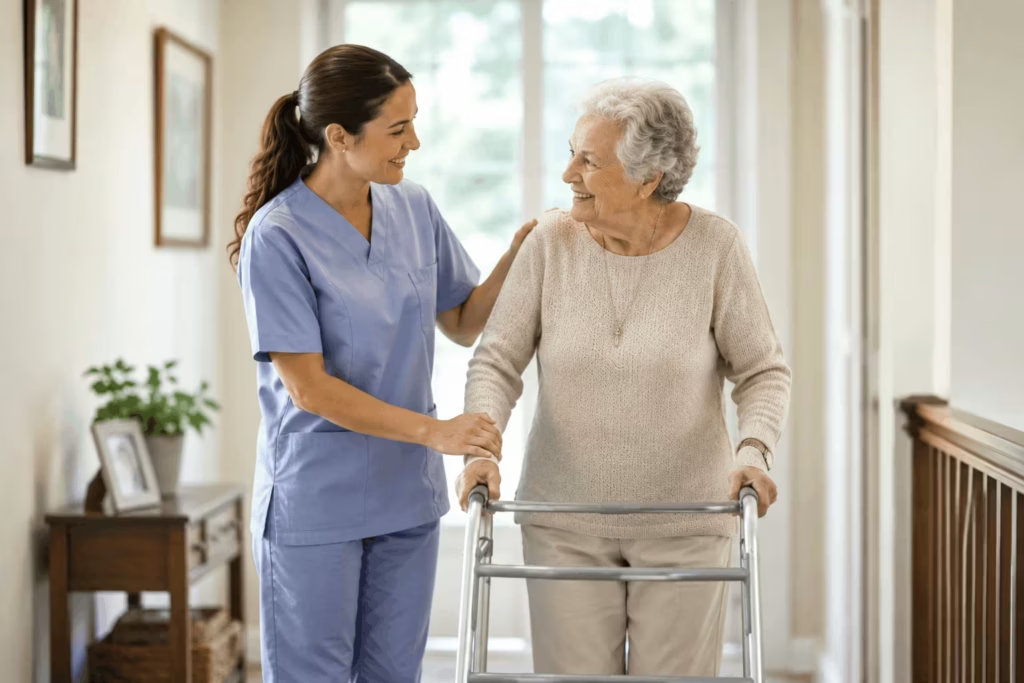
For people facing a serious or life-limiting illness, comfort becomes just as important as medical treatment. At this stage, care is not only about managing symptoms but also about protecting dignity, emotional balance, and everyday peace. That’s why combining effective symptom relief, emotional reassurance, and guidance for families plays such an important role. When these…
Read MoreProfessional Supports Necessary For Recovery at Home After Surgery
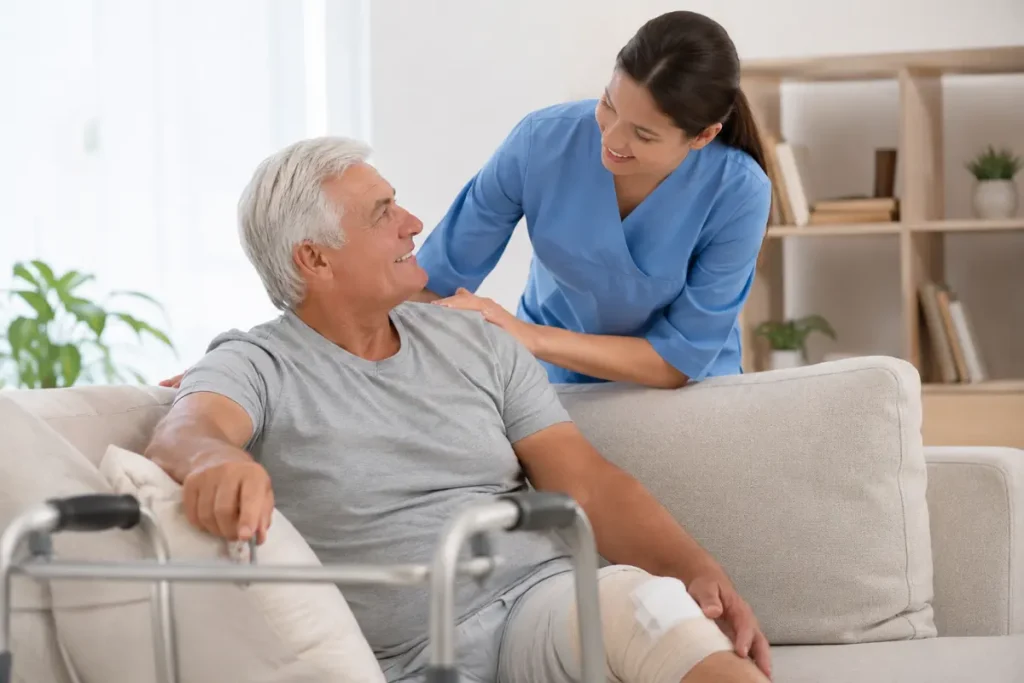
Healing after surgery doesn’t stop when you leave the hospital, but it continues at home. Every year, over 45 million Americans have surgery, and most of them go home to recover without any nurse or doctor by their side to take care of them. That means millions of people are dealing with pain, limited movement,…
Read MoreWhy Instrumental Activities Of Daily Living Are Essential For Rehabilitation Patients
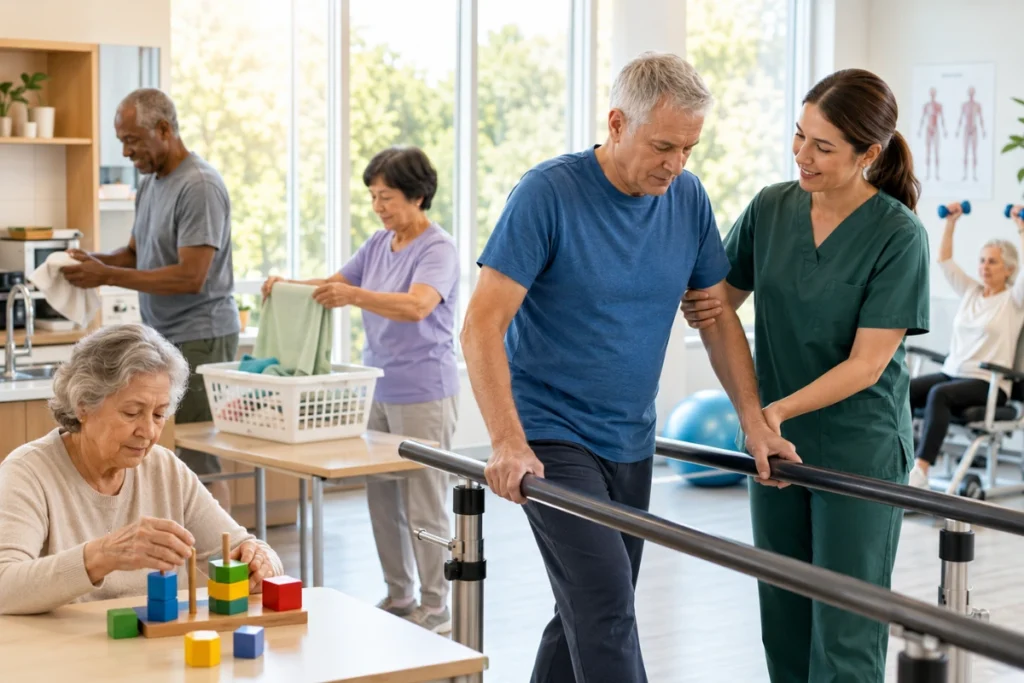
People undergoing rehabilitation struggle with a lot of problems, like not being able to even cook a basic meal, manage their medications, or even do simple everyday tasks. This loss of functional independence doesn’t just affect your body, but becomes something that has an equal effect on confidence as well as mental health. That is…
Read MoreComparing Home Care and Assisted Living: Which Is Right for Seniors?

As seniors age, their evolving needs often require more support than a family can handle alone. And to ensure your loved ones receive proper care, two exceptional options stand out: home care vs assisted living. However, people frequently confuse the two, even though they take different approaches to senior support. These care plans offer wellness…
Read MoreHow Home Care Helps for Elders with Cognitive and Mobility Limitations
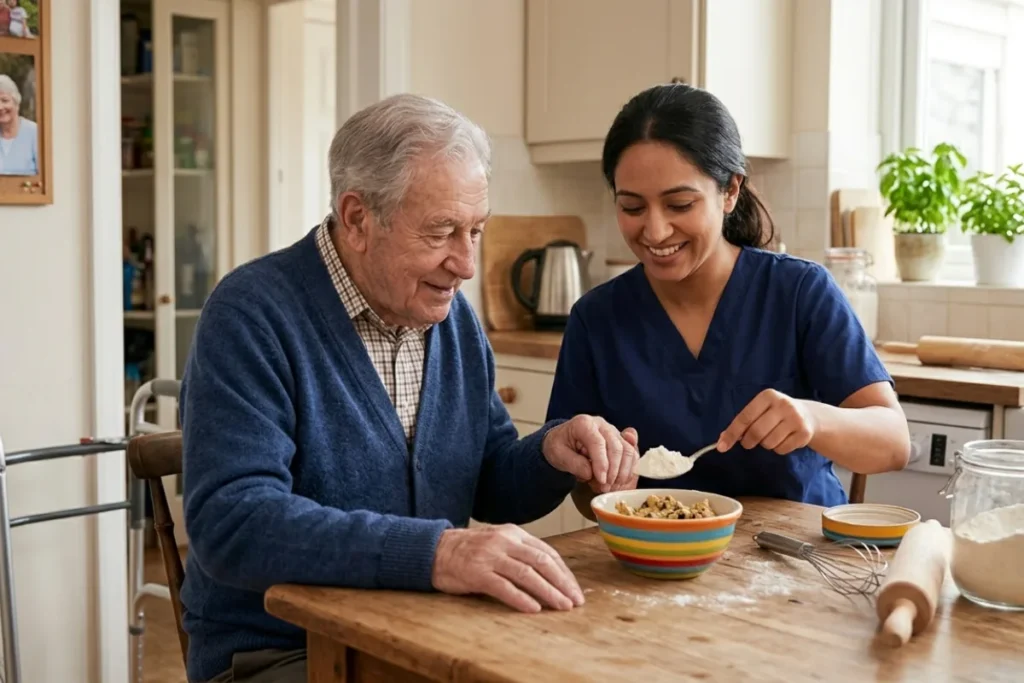
Did you know, as per the American Psychological Association, in the USA, 22% of elders have mild cognitive impairment and mobility disability. Well, it is one of the most common limitations among older adults. In such scenarios, when an elder is living with memory loss, confusion, poor balance, weakness, or limited movement, even simple daily…
Read MoreComplete Guide to Home Care Services: Types of Support, Care Models, and When They’re Needed
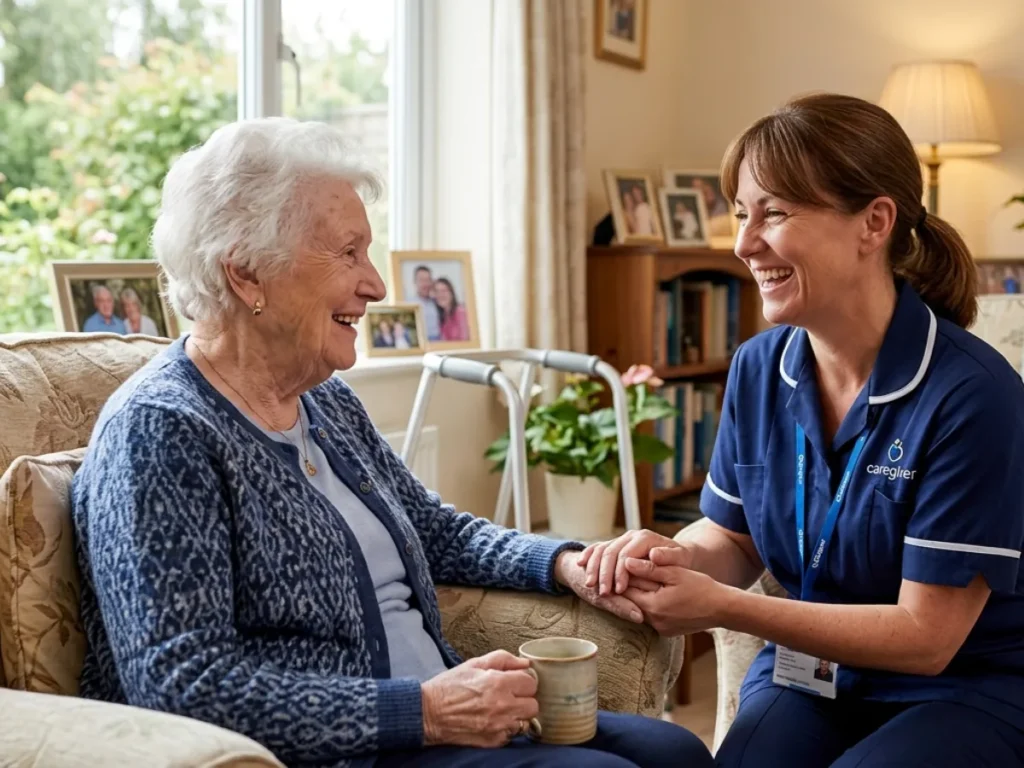
When it comes to your ageing or unwell loved one, providing them with every possible amenity becomes a basic goal. However, it requires a well-framed plan to ensure their safety, address health issues, and manage their daily chores. And getting it done without the right guidance can be stressful for families. This is why choosing…
Read MoreSupervision and Safety Support for Seniors Living at Home

For many seniors, living at home is not just a preference; it’s linked to better emotional well-being, independence, and quality of life. However, aging at home comes with unique physical and medical safety challenges: falls, medication errors, and delayed medical response are some of the most common risks. That’s why combining safety tools, like emergency…
Read MoreUnderstanding the Right Time for Support & Benefits of Elder Home Care

Knowing when an aging parent or loved one needs extra help can feel confusing. One moment you feel you can do everything, and another moment you feel burdened and fatigued. Many families wait for a crisis, like a fall, hospitalization, or sudden memory changes, before considering support. But is it the right approach? Absolutely not! …
Read MoreHow Elder Home Care Promotes Independence & Quality of Life?

Traditional care options, such as assisted living or nursing facilities, often provide comprehensive support but can feel disruptive, impersonal, or emotionally overwhelming for older adults who wish to remain in familiar surroundings. Elder home care offers a compassionate and practical alternative, allowing seniors to receive the assistance they need while staying in the comfort and…
Read MoreWhy More Families Are Choosing Elder Home Care Services Over Institutions

More and more families are realising that caring for their ageing loved ones is significantly complex, which is challenging them to seek better solutions. Given the safety, medical facilities, and isolation concerns affecting families and older people, we have two options: The Elder Home Care and other nursing institutions. To manage work-life balance and caregiving…
Read More